What is tinned copper
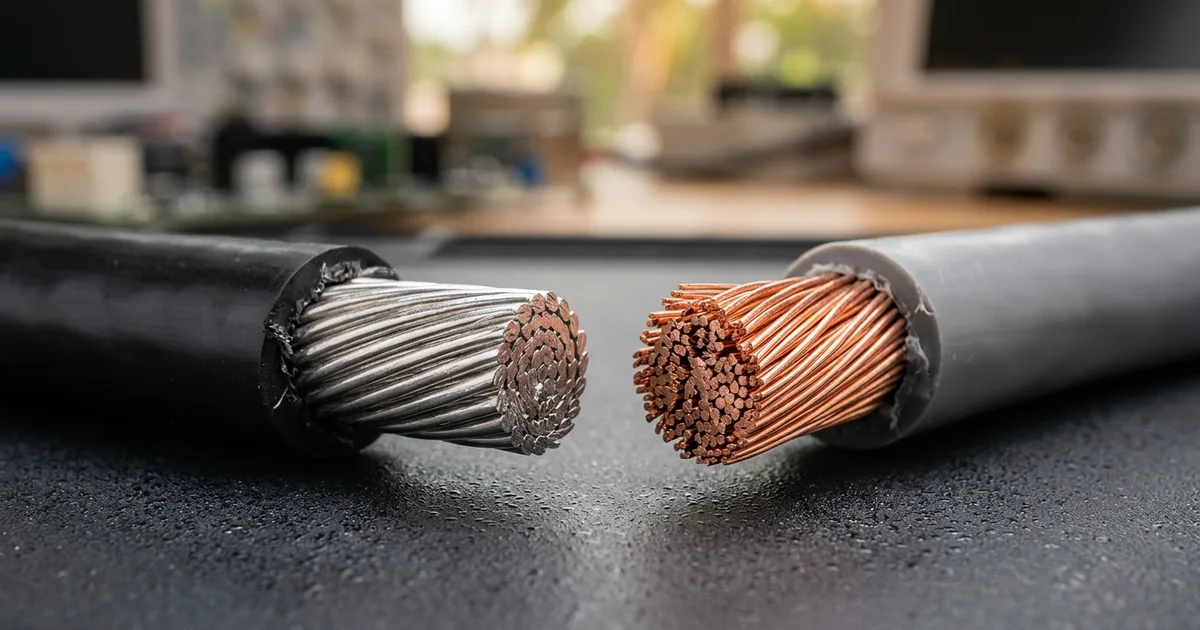
Tinned copper is a standard copper conductor coated with a thin protective layer of tin (1 to 20 microns). The process is called tin plating and is performed industrially, most commonly through electroplating.
Visually, tinned wire has a silvery tone (tin is lighter than copper) and a smooth surface. The electrical characteristics remain virtually identical to pure copper: the added resistance from the tin layer is so small that it has no impact on real-world systems.
The primary purpose of tinning is protection. Tin creates a barrier between the copper and the environment, preventing oxidation and chemical reactions with cable insulation.
Why it matters: the copper oxidation problem
Copper is an excellent conductor, but it has a weakness: it gradually oxidises in air. First the surface dulls, then it develops a greenish coating (patina) — copper oxide. In dry rooms the process is slow, but in high humidity, especially with sea air, oxidation accelerates dramatically.
In Thailand, where humidity often stays above 70–80% and salty sea breeze penetrates several kilometres inland, bare copper oxidises far faster than in temperate climates. An oxidised contact means:
- increased resistance at the connection;
- unstable operation of sensors, relays and signal lines;
- potential equipment failures, especially in automation systems;
- difficulties with soldering and terminal connections during maintenance.
In addition, many types of insulation (especially rubber and certain plastics) contain sulphur. Over time, sulphur migrates to the conductor and reacts with copper, forming sulphides — a dark deposit that degrades the contact. Tinned copper is inert to sulphur, so this problem does not apply.
Where tinned copper is critical
Smart home and low-voltage systems
Building automation (smart home) systems use numerous signal lines, sensors, actuators and controllers. Most operate on low-voltage power (12–24 V) and transmit logic signals where contact stability over many years is essential.
- Long-term reliability of terminal and connector joints.
- No false triggers caused by oxidation.
- Simplified maintenance — contacts remain clean even after years.
This is particularly important for concealed wiring, where access to cables after installation is difficult.
Audio systems
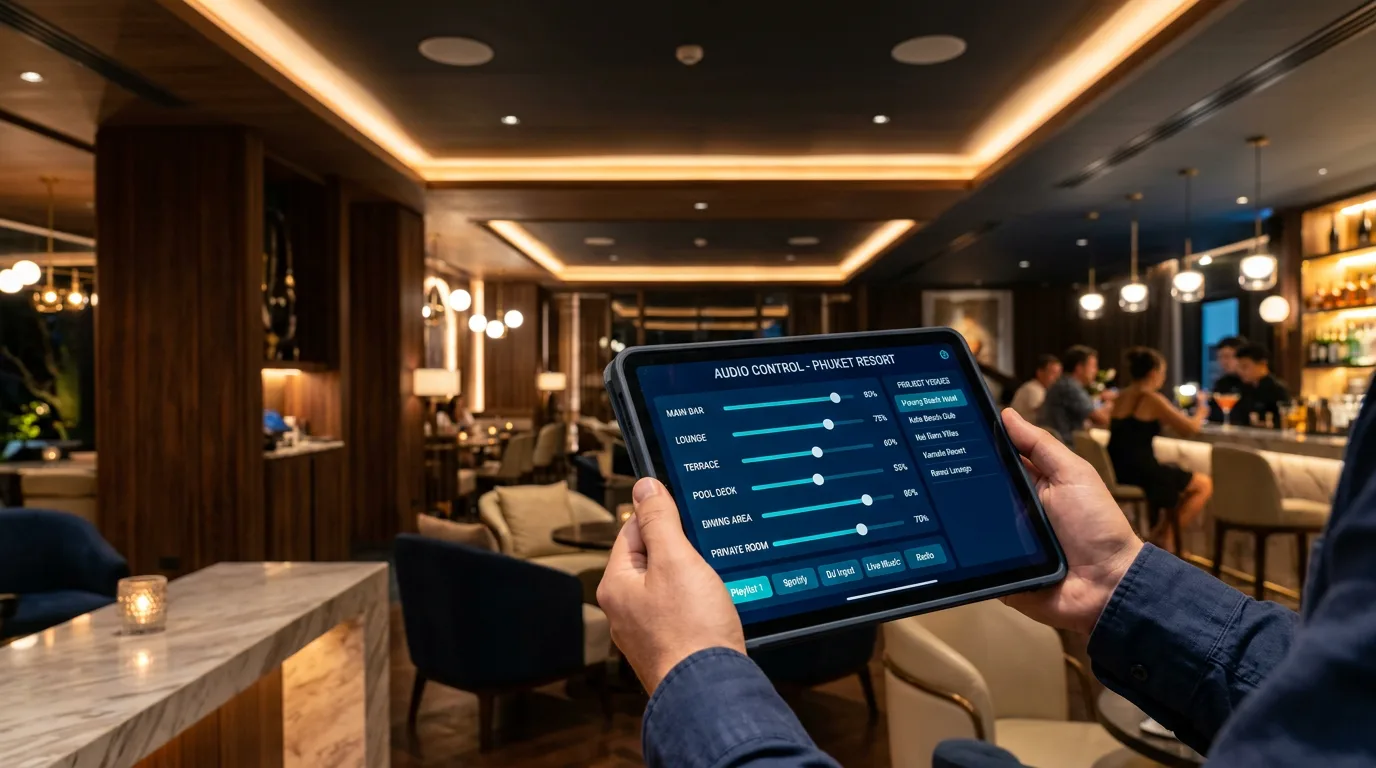
In professional and high-end audio systems, tinned copper is widely used in speaker cables, interconnects and microphone cables. The main reason is contact stability and ease of soldering.
The practical advantage of tinned copper is its protection against oxidation of terminals and connectors — critical for signal chain reliability at events, in studios and in permanent installations.
Marine environments and outdoor systems
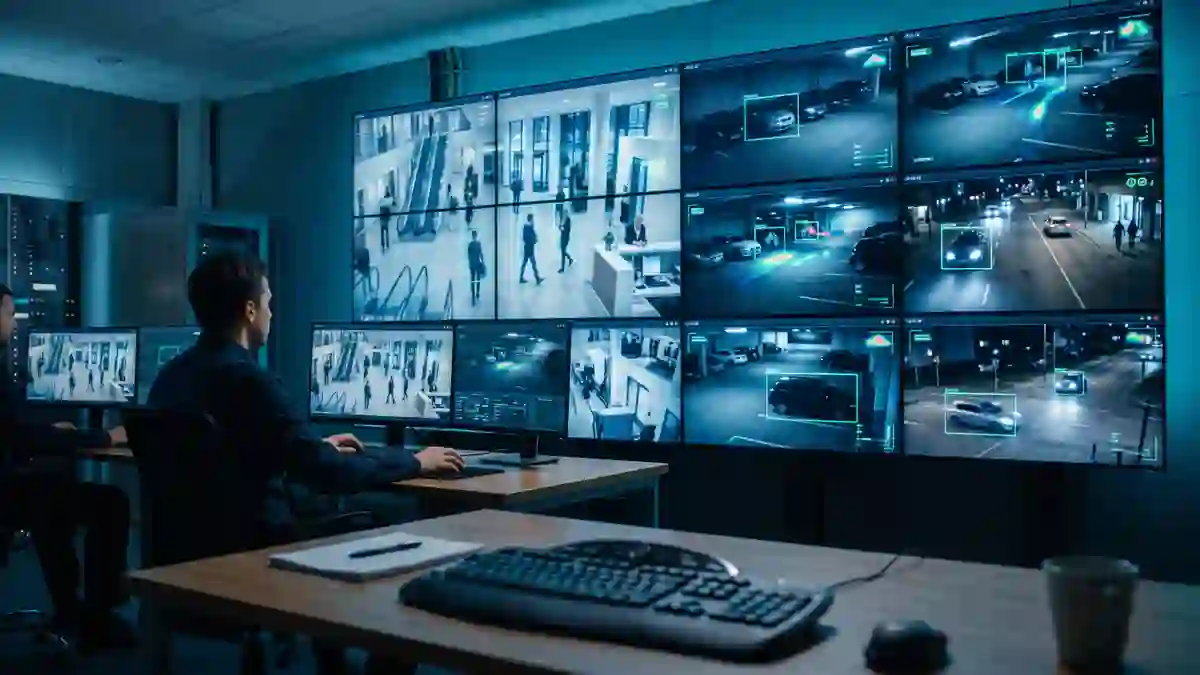
In marine conditions (yachts, coastal infrastructure) and for outdoor equipment (CCTV cameras, outdoor lighting, outdoor network access) tinned copper is the industry standard. Bare copper in such environments lasts a fraction of the time.
Signal and control cables
For RS-485, Modbus, DALI, DMX and other industrial communication protocols, tinned conductors ensure line stability and interference protection. Many shielded cables are manufactured with tinned copper specifically to improve durability under vibration, humidity and temperature fluctuations.
Practical advantages of tinned copper
- 1Corrosion protection. The tin layer is a barrier against oxygen, moisture and aggressive substances. Cable lifespan in harsh conditions increases 5–10×.
- 2Insulation compatibility. Tin does not react with sulphur and other plastic/rubber components, extending the life of both insulation and conductor.
- 3Easy soldering. Tin is a primary solder component, so tinned wire wets instantly without pre-cleaning.
- 4Mechanical strength. Tinned stranded wires are more resistant to fatigue and breakage from repeated bending.
- 5Contact stability. Terminal connections, screw clamps, connectors — tinned copper maintains low contact resistance for years without maintenance.
Tinned copper vs bare copper: when to choose which
| Parameter | Bare copper | Tinned copper |
|---|---|---|
| Conductivity | Reference (second only to silver) | Virtually identical |
| Oxidation resistance | Oxidises in air, faster in humidity | Protected by tin layer |
| Application environment | Dry rooms, temperate climate | Humidity, marine, outdoor, tropics |
| Lifespan | Standard | 5–10× longer in harsh conditions |
| Soldering | Requires cleaning, slower | Wets instantly with solder |
| Cost | Lower | 10–30% higher |
| Maintenance | Contacts need periodic cleaning | Contacts stay clean |
Bare copper is for dry, climate-controlled interiors where budget is critical and humidity stays within normal range. Tinned copper is for all low-voltage systems, smart homes, audio, outdoor CCTV, any installation in Thailand (especially near the coast), industrial sites, and anywhere access for maintenance is limited.
How much it costs and where to buy
The retail price difference between bare and tinned copper is 10–30%, depending on cable type and application.
Approximate prices (Thailand, retail)
| Cross-section | Bare copper (THW) | Tinned copper | Difference |
|---|---|---|---|
| 1.5 mm² | ~15 ฿/m | ~27 ฿/m | +80% |
| 2.5 mm² | ~23 ฿/m | ~43 ฿/m | +87% |
| 4.0 mm² | ~33 ฿/m | ~66 ฿/m | +100% |
For audio systems: professional speaker cables with tinned copper start from 100 ฿/m and up (depending on cross-section and brand).
Where to buy
- Specialist electronics and marine equipment shops — the main source for quality tinned cable.
- Building superstores (HomePro, Thai Watsadu) — wide range of bare copper, tinned cable less common; check availability.
- Online marketplaces (Lazada, Shopee) — tinned cables available, but verify reviews and specifications.
«For critical projects, we recommend purchasing tinned cable from verified suppliers with manufacturer markings and coating thickness specifications. Cheap imports with thin or uneven tin layers will not provide adequate protection.»
How to identify quality tinned copper
- Uniform silvery colour along the entire conductor length.
- No copper colour visible at bends or cross-sections — if copper shows through, the tin layer is too thin.
- Manufacturer marking and coating thickness specification (1–5 µm for signal lines, up to 10–20 µm for marine cables).
- Product certifications for industrial and marine applications.
Conclusion
Tinned copper is not a marketing gimmick or a brand premium. It is a proven engineering solution that, in conditions of high humidity, marine climate and long-term use, delivers real savings on maintenance and cable replacement.
For Thailand, where humidity and sea air are the norm, tinned copper in low-voltage systems, smart homes, audio and signal lines is simply good engineering practice. You pay 10–30% more upfront (27 ฿/m instead of 15 ฿/m for 1.5 mm²), but you get a system that works reliably for years without contact degradation and without needing wiring inspections.
If your project is built to last and cable access after installation is limited — tinned copper will pay for itself many times over.